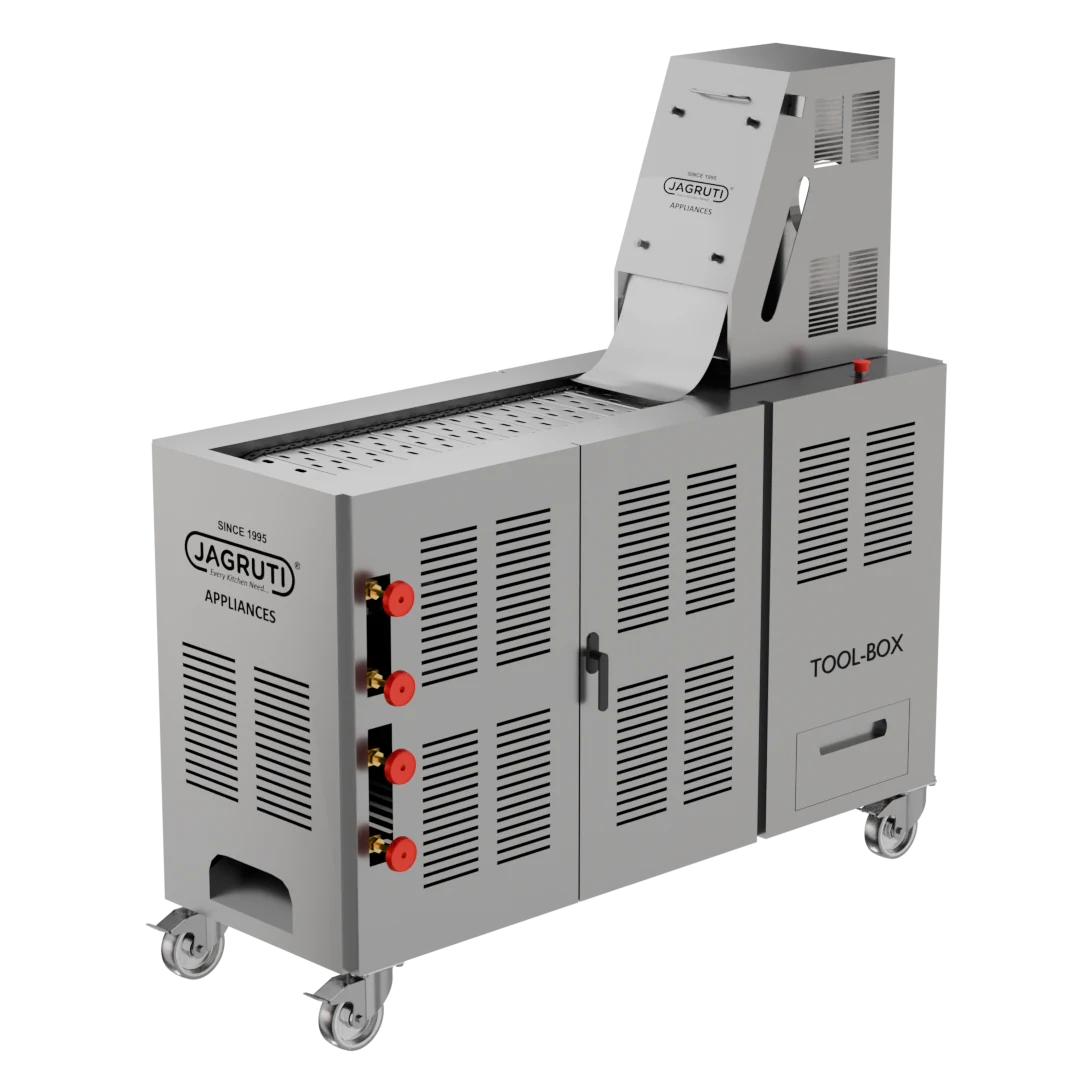
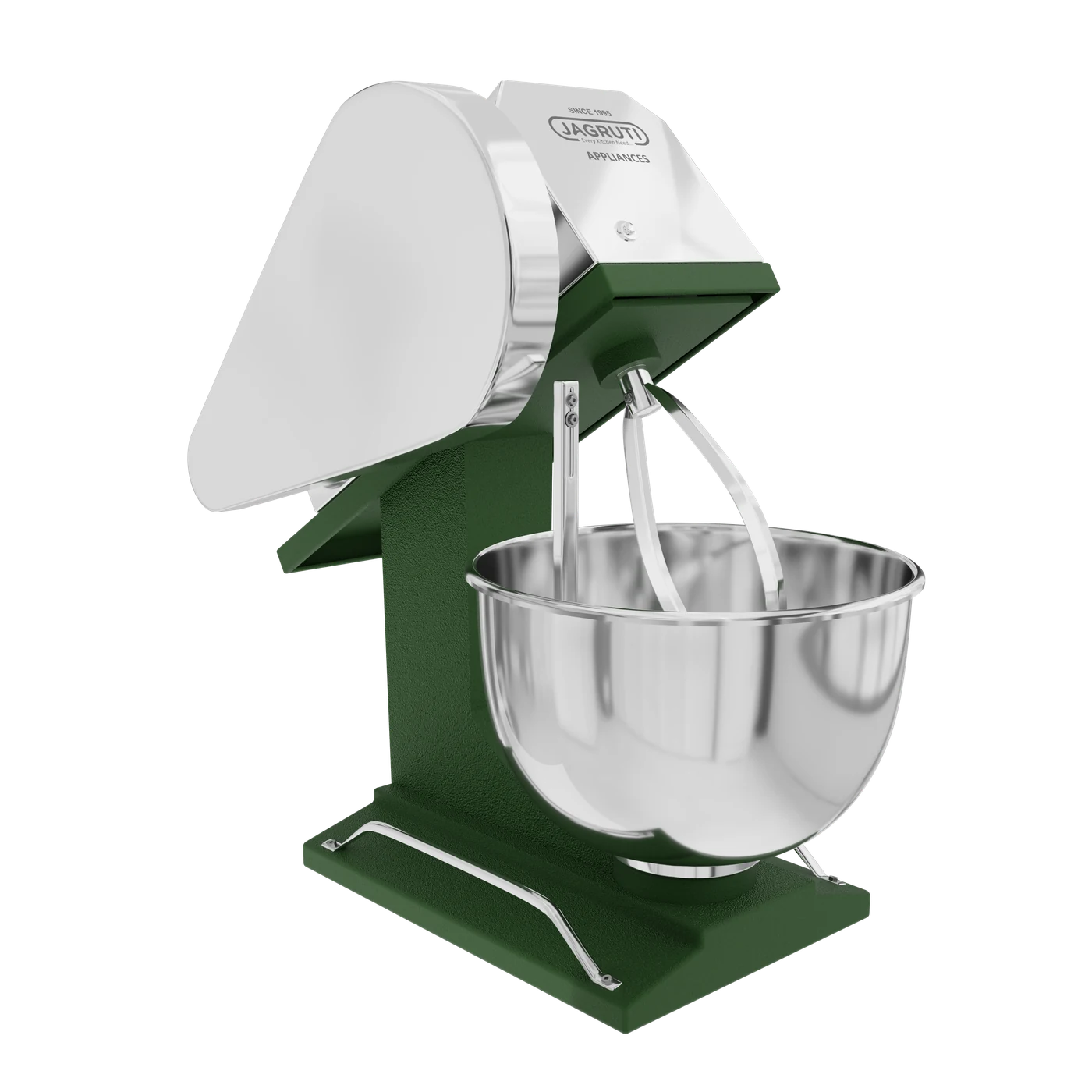
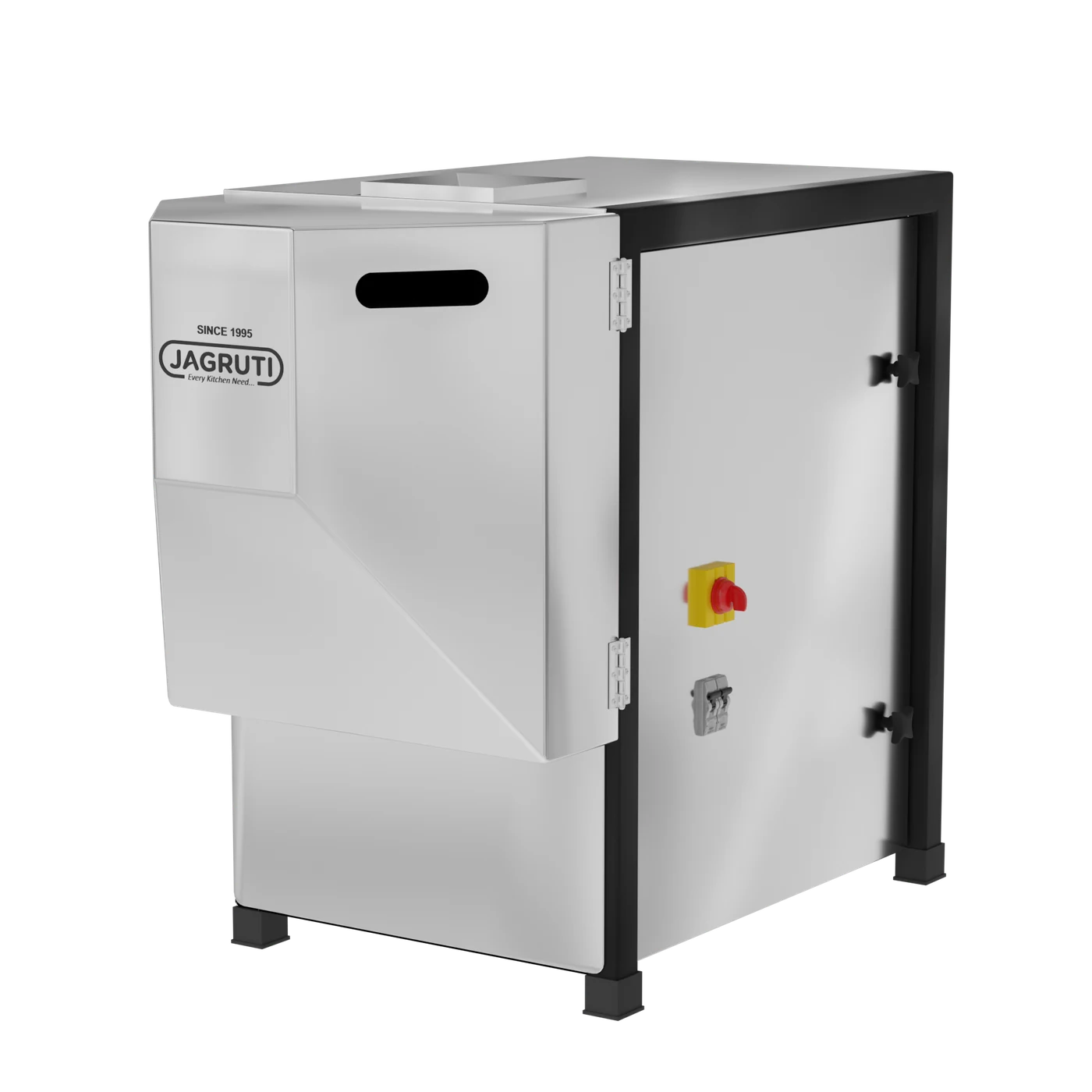
An automatic roti making machine is a big step up from manual production, but the range of capacities can be confusing if you've never bought one before. The good news: the decision mostly comes down to one number - how many rotis you need per hour at peak demand.
Match Capacity to Peak Demand, Not Average Demand
Size your machine for your busiest service window, not your daily average - a machine that comfortably handles your lunch rush will handle quieter periods with ease.
A Quick Guide to Jagruti's Range
- ECO 300 (300 rotis/hr) - small tiffin services and small restaurants just starting out.
- ECO 500 (500 rotis/hr) - mid-size restaurants, catering units and meal-delivery services.
- PREMIUM 600 (600 rotis/hr) - restaurants and cloud kitchens with steady daily demand.
- PREMIUM 1000 (1000 rotis/hr) - institutional and hostel kitchens, larger catering operations.
- PREMIUM 2000 (2000 rotis/hr) - large-scale institutional and central kitchens.
Don't Forget the Rest of the Line
Many kitchens pair their roti making machine with a Dough Kneader (5–40 KG capacity) and a Dough Ball Cutting Machine (2000–2200 balls/hour) to automate the process from raw dough through to a baked, uniform roti - reducing labour and keeping every roti consistent.
Check Your Utilities
These machines run on a single-phase electric supply for the conveyor and pressing motors, plus an LPG or PNG gas connection for baking. Confirm your kitchen's gas pressure and electrical load are sufficient for the model you're considering before you order.
Tell us your rotis-per-hour target on WhatsApp and we'll recommend the right model and complete line for your kitchen.